
In modern automotive engineering, suspension systems are more than just components for comfort—they are fundamental to vehicle safety and performance. A well-designed suspension system ensures that a vehicle maintains traction, stability, and control, even under challenging road conditions or during emergency maneuvers.
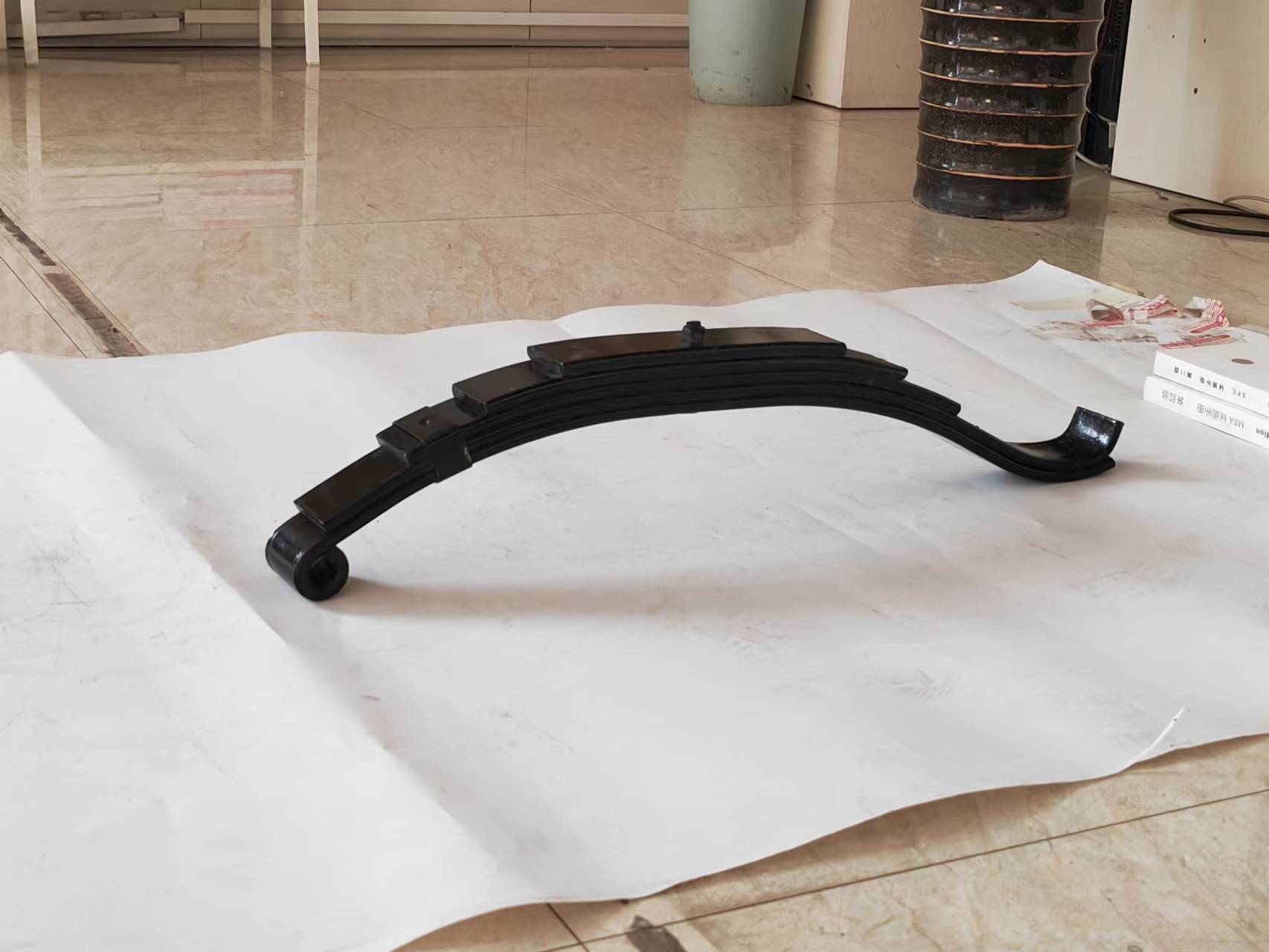
Steel leaf springs, as a key element in suspension systems, play a critical role in distributing weight evenly across a vehicle’s axle. This characteristic is particularly important for trucks and commercial vehicles that carry heavy loads. By absorbing and dampening shocks from uneven terrain, these springs help prevent excessive wear on other vehicle components, contributing to the overall longevity of the vehicle.
Safety is another area where suspension systems excel. A properly functioning suspension system keeps tires in contact with the road, reducing the risk of skidding or loss of control. Whether navigating sharp turns or sudden stops, the suspension system enhances handling and braking efficiency, ensuring the driver remains in control.
As the automotive industry shifts towards electric and autonomous vehicles, suspension systems are being designed to meet new safety and performance standards. For example, electric vehicles require suspension systems that can handle heavier battery loads while maintaining energy efficiency. Meanwhile, autonomous vehicles rely on suspension systems that provide exceptional stability, ensuring a smooth and safe ride for passengers.
In conclusion, suspension systems are integral to both the safety and performance of vehicles. As technology continues to advance, these systems will become even more sophisticated, blending traditional mechanical engineering with smart technologies to meet the demands of modern transportation. This evolution not only improves driving experiences but also enhances road safety for all.